
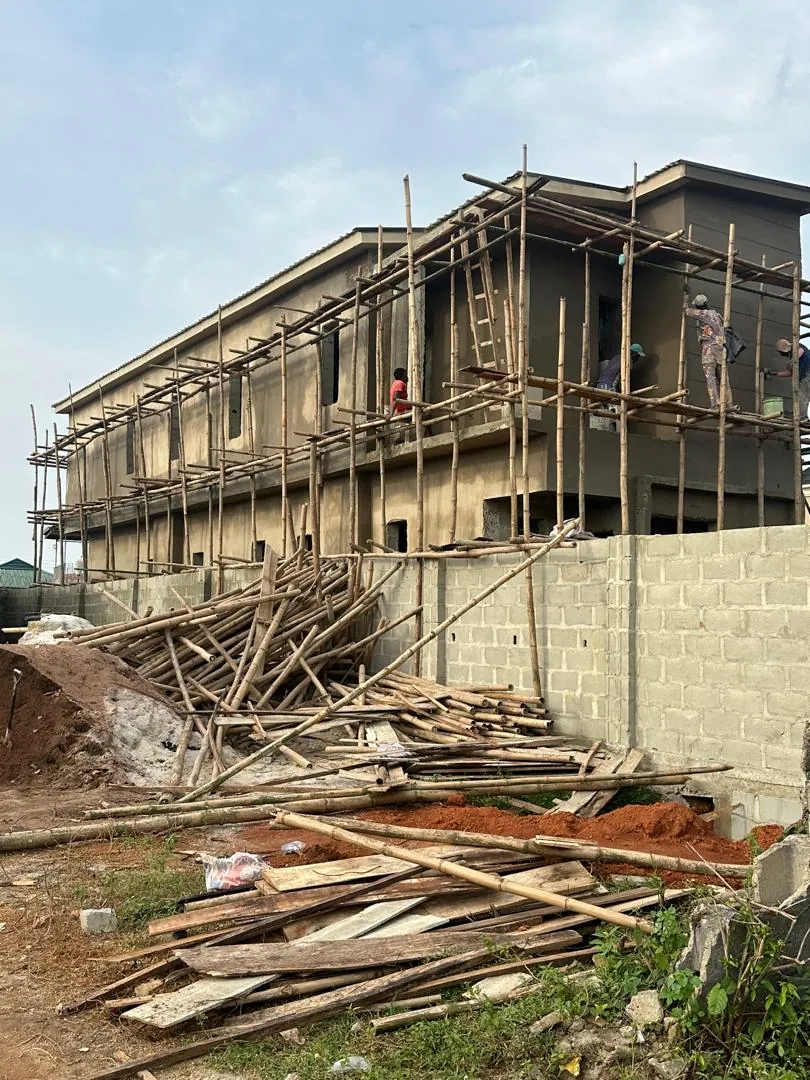
This distinction matters because a person can make a reasonable land purchase and still be unprepared for what comes next. The cost of land is only one part of the journey toward homeownership. Depending on the project, there may be design and professional fees, approvals, site preparation, construction materials, labour, infrastructure, utilities, furnishing and other costs. The financial capacity required to own land is therefore not necessarily the same as the capacity required to build immediately.
Purpose should guide the sequence. Someone may buy land with the intention of building within a short period. Another person may acquire land and develop it later. A family may purchase land with a particular house design in mind, while an investor may be thinking about a future development. Each situation creates different priorities. The important thing is to understand the purpose before assuming that ownership automatically means immediate construction.
Timing is another consideration. Building is a project, not simply the next transaction after buying land. The owner must consider whether the proposed development is financially realistic, whether the site is suitable for the intended structure, what approvals may be required and whether the surrounding environment supports the planned use. A decision to buy land should therefore be connected to a realistic understanding of what happens after acquisition.
The physical characteristics of the land also matter. The fact that a plot is available does not automatically mean that every type of development will be appropriate for it. Site conditions, access, drainage, planning considerations, surrounding development and other technical factors may influence what can reasonably be done. This is why professional input becomes increasingly important as a property decision moves from acquisition toward development.
There is also value in separating ownership from urgency. Buying land does not mean that construction must begin immediately, just as owning a property does not mean that every available financial resource should be committed to development at once. The right pace depends on the owner's objective, finances, project requirements and circumstances. A sound property strategy allows each decision to be evaluated on its own terms.
For someone pursuing homeownership, this distinction can create greater clarity. The question becomes not simply, “Can I buy this land?” but also, “What is my plan for the land?” Understanding the expected timeline, likely development requirements and financial implications can prevent a property purchase from becoming an isolated transaction with no clear next step.
At LSG Investment, property ownership is viewed as a process that deserves understanding at every stage. Land acquisition, development and eventual homeownership are connected parts of a wider journey, but each requires its own decision. Knowing where you are in that journey, what you are trying to achieve and what comes next is part of owning property with greater clarity and purpose.