
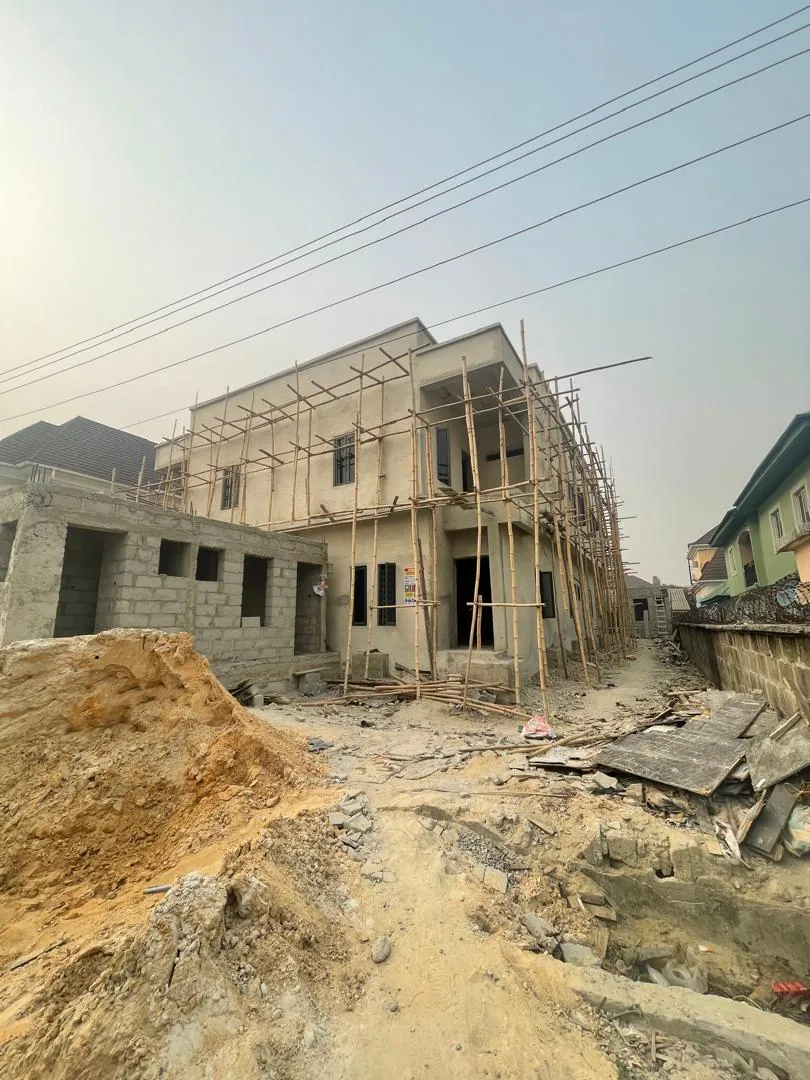
For a prospective homeowner, location may be shaped by commuting patterns, access to essential services, family needs, road connectivity and the character of the surrounding community. For an investor, the questions may extend to demand, surrounding development, accessibility and the property's intended use. A developer may be looking at infrastructure, planning considerations, development potential and the practical cost of transforming land into a viable project. Location therefore has to be understood through purpose.
This is why an address alone cannot tell the whole story. A location can be geographically close to a major part of a city and still be inconvenient for its intended users. Another location may be farther from the traditional centre but offer a different combination of accessibility, available land, surrounding development and future possibilities. Distance matters, but it is only one variable.
Infrastructure deserves particular attention. Roads, transportation, drainage, electricity, water, telecommunications and other supporting systems can influence how a location functions in everyday life. They also form part of the wider environment within which communities develop. A property should therefore be considered alongside the infrastructure that currently supports it and the development realities that may shape its future.
Planning and surrounding land use matter as well. A residential property does not exist in isolation from the neighborhood around it. Commercial activity, industrial uses, public infrastructure, schools, healthcare facilities and other forms of development can influence how an area functions. Understanding these relationships helps a buyer move beyond the simplistic question of whether a location is “good” and toward the more useful question of whether it is appropriate for the intended purpose.
This becomes particularly important in developing corridors. As cities expand, new areas can attract residents and businesses because of changing affordability, available land, infrastructure and economic activity. But development is not automatically synonymous with suitability. A buyer should still examine what exists today, what is realistically changing, what access is available and whether the property's intended use fits the trajectory of the area.
A sound location decision therefore requires more than looking at a map or listening to a sales pitch. It requires observation, questions and, where appropriate, a physical site visit. See the property. Understand the surroundings. Examine access. Ask about documentation and planning. Consider how the location serves the purpose for which the property is being acquired.
LSG Investment's approach to property is built around this kind of understanding. The objective is not to declare one location universally superior to another. Property decisions are personal, financial and purpose-driven. The more clearly a buyer understands the relationship between location, purpose, accessibility, infrastructure and development, the more confidently that buyer can decide.